Understanding the Role of a USB-C Hub
As modern laptops become thinner and more portable, they often sacrifice dedicated ports for peripheral connectivity. A USB-C hub bridges this gap by expanding a single port into multiple connection points. Unlike docking stations, which are typically designed for permanent desktop use, hubs are compact and bus-powered, making them the ideal solution for users who need to maintain a professional workflow while traveling or working in shared spaces.
Connection Standards and Data Transfer Speeds
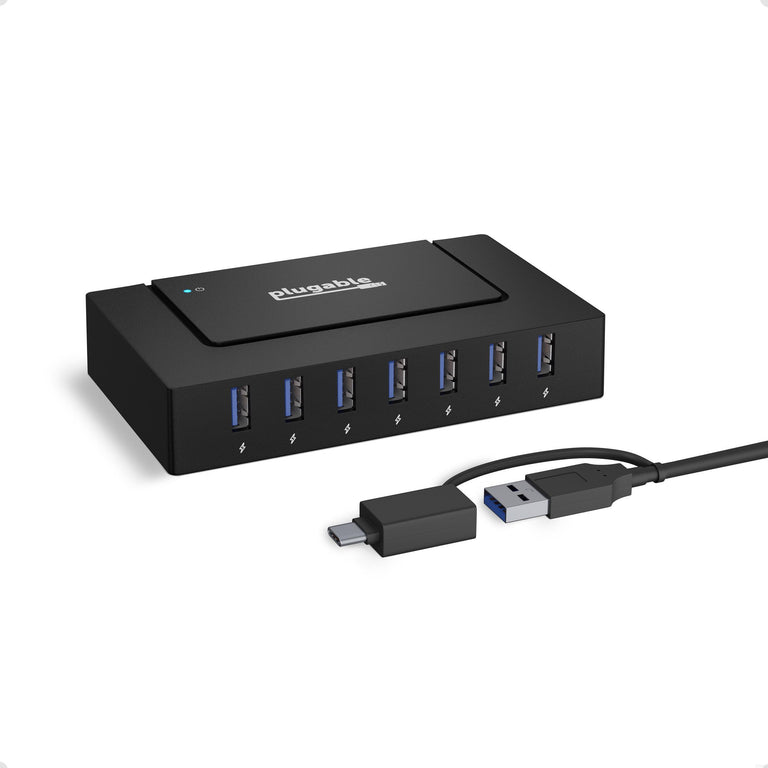
USB-C hubs utilize various data transfer standards, most commonly USB 10Gbps, providing faster access to high-speed storage and more responsive peripheral connections. Understanding these standards is important for ensuring that your hub can handle the data throughput required by your specific devices.
Essential Ports for Modern Workflows
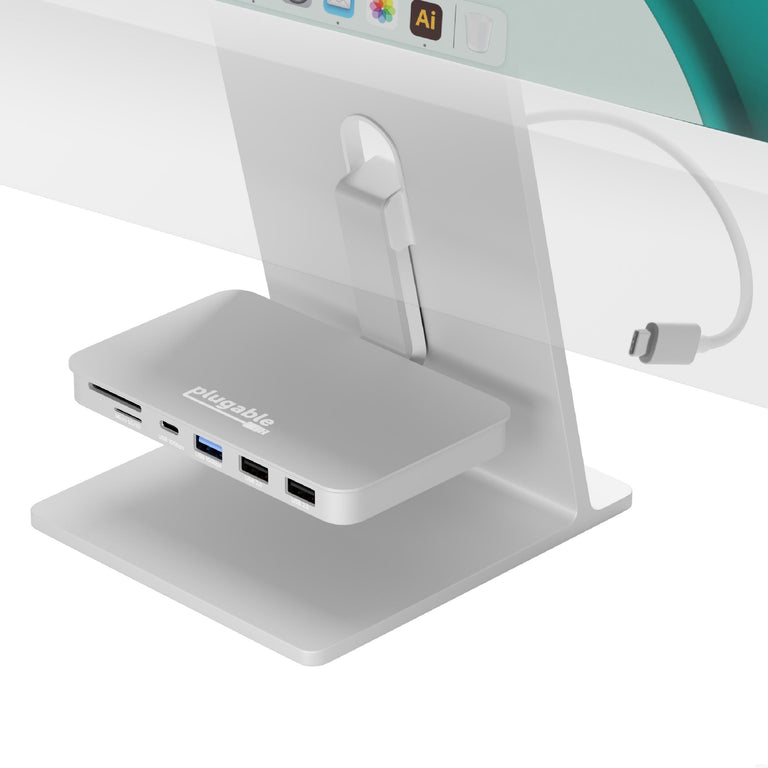
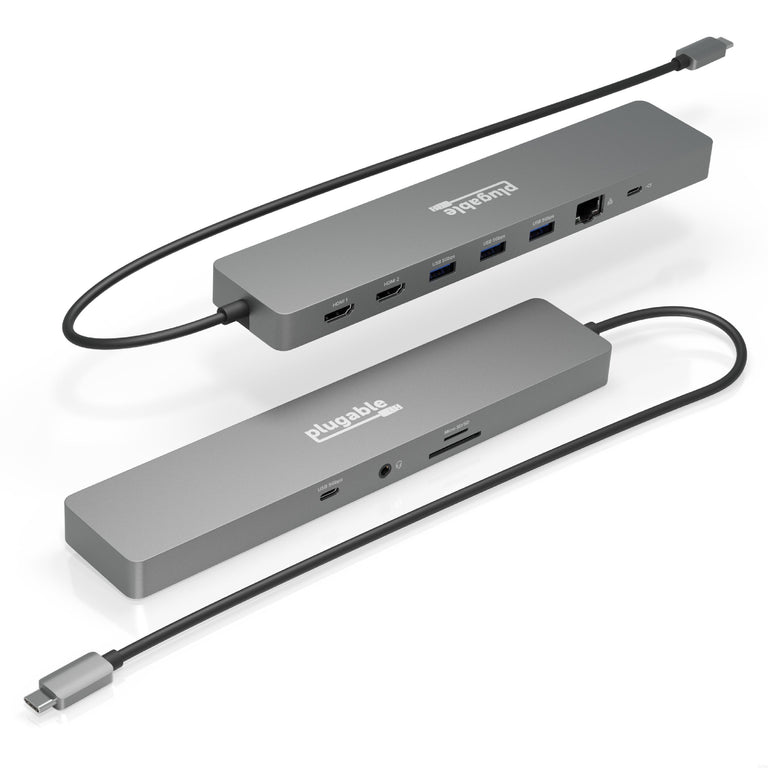
The most versatile USB-C hubs include a mix of legacy and modern ports to support a wide range of devices. USB-A ports remain necessary for keyboards, mice, and thumb drives, while HDMI outputs allow for the connection of external monitors. For photographers and videographers, integrated SD and microSD card slots provide a convenient way to offload media without needing separate adapters.
Power Delivery (PD) Passthrough Charging
Many USB-C hubs feature a dedicated USB-C Power Delivery passthrough port. This allows you to connect your laptop's original power adapter to the hub, which then passes power through to the host device while also supporting connected peripherals. This is a critical feature for laptops with a limited number of ports, as it ensures you don't have to choose between charging your device and using your external hardware.
Design, Portability, and Build Quality
USB-C hubs are designed with portability in mind, often featuring lightweight aluminum housings that provide both durability and efficient heat dissipation. All models include a built-in 'pigtail' cable for flexibility. When choosing a hub, consider the cable length and the spacing between ports to ensure that bulky connectors don't block adjacent slots.
Compatibility Across Operating Systems
USB-C is a universal standard, meaning that most hubs are plug-and-play across Windows, macOS, iPadOS, ChromeOS, and Android. However, specific features like multi-monitor support or specialized video output (MST) may vary depending on the host device's hardware capabilities. It is always recommended to verify that your device supports 'DisplayPort Alternate Mode' if you intend to use the hub's video outputs.
Choosing the Right USB-C Hub for Your Needs
When selecting a USB-C hub, start by listing the specific peripherals you need to connect on a daily basis. If you frequently present at meetings, prioritize a hub with a reliable HDMI output. If you are a mobile professional, a multi-port adapter with integrated Ethernet may be essential for stable networking. By balancing port variety with size and bandwidth, you can find a hub that perfectly complements your mobile workstation.